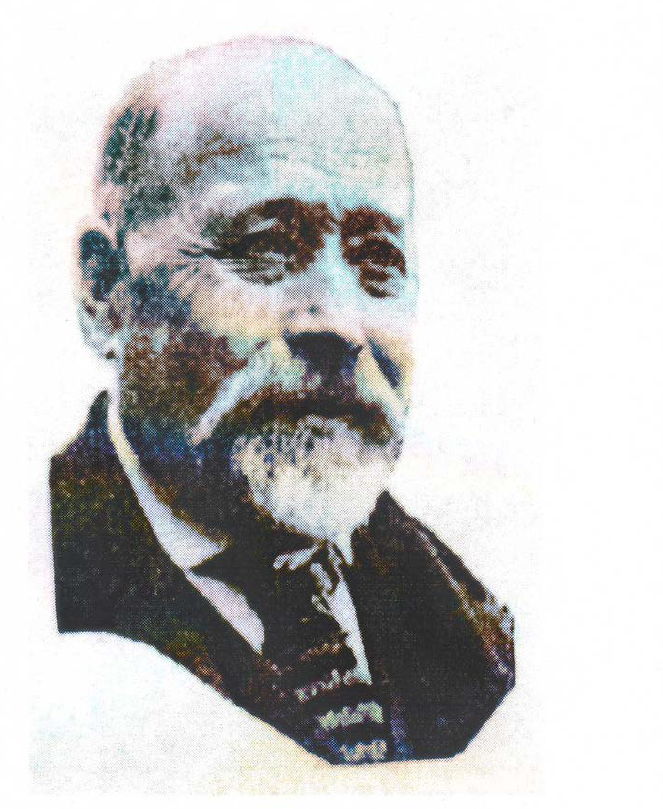
Homesteaders on Read Island.
This is a story from my father John Gröhn’s collections of some of the immigrants he met in
isolated spots on the coast.(Dianne Kilback)
My acquaintance with Read Island started in the early 1950’s when my wife and I took a boat
trip tp Read Island. We were staying at our summer cabin in Lund at the time and we decided to
visit Mr and Mrs Nippa. Emil Nippa had retired from salmon gillnetting and bought a ten acre
piece of waterfront near Evans Bay. Emil had recovered from a bout with tuberculosis earlier
on and the doctor recommended living in the country away from the pollution of the big city.
We travelled in a flat bottom skiff with an outboard engine and after a bit of bouncing off Mary
Island we arrived at the Nippa’s homestead. Mrs Nippa made a delicious dinner which included
jellied venison and after dinner we all retired to the living room. Emil started to tell us a few
stories about some of the history and inhabitants of Read Island. At the beginning of the 1900’s
Read Island was buzzing with activity in the logging sector. That brought in the loggers and the
suppliers of goods and services. This included a hotel near Burdwood Bay with a bar and ladies
to look after the loggers.
When Emil first arrived on Read Island he made friends with a Swede named Rosen. Rosen
had been shipwrecked on the West Coast and somehow managed to get to Vancouver. He
claimed pre-emption on a lake in the middle of Read Island where he spent forty years working
on the property. He planted a big orchard of fruit trees and built barns for his livestock. Emil
said that Rosen was always glad to have him pay a visit. So, one time when Emil’s brother
arrived for a visit, the two of them headed out to Rosen’s place. They were cordially received
and Rosen rushed off to his wine cellar to fetch a bottle of his apple champagne. Along with the
bottle he brought a milking pail remarking that the champagne might be a bit volatile. The
liquid spumed out so fast that he had to be quick to get it in the pail. As the champagne swirled
around in the pail, Emil noticed a dirty piece of bandage floating in the pail. Rosen said that it
came from his finger which was cut when he opened the bottle. The champagne was drunk but
Emil and his brother declined another bottle which Rosen was ready to deliver.
According to Emil, Rosen was a strong man, as wide as he was high. He could carry three
hundred pound sacks of potatoes, two in his hands and one in his mouth. On one occasion
Rosen was taking hay to feed his cow when his horse fell off a ramp and got his feet stuck in a
crevice. The horse was unable to get out so Rosen got under the horse and lifted it onto its legs.
Emil took us up to Rosen’s property so we could see what he had accomplished single handedly
in forty years. It was impressive when you think that much of the work was done without
modern machinery. We returned to Lund with a box of apples from the orchard after a very
pleasant visit. GP